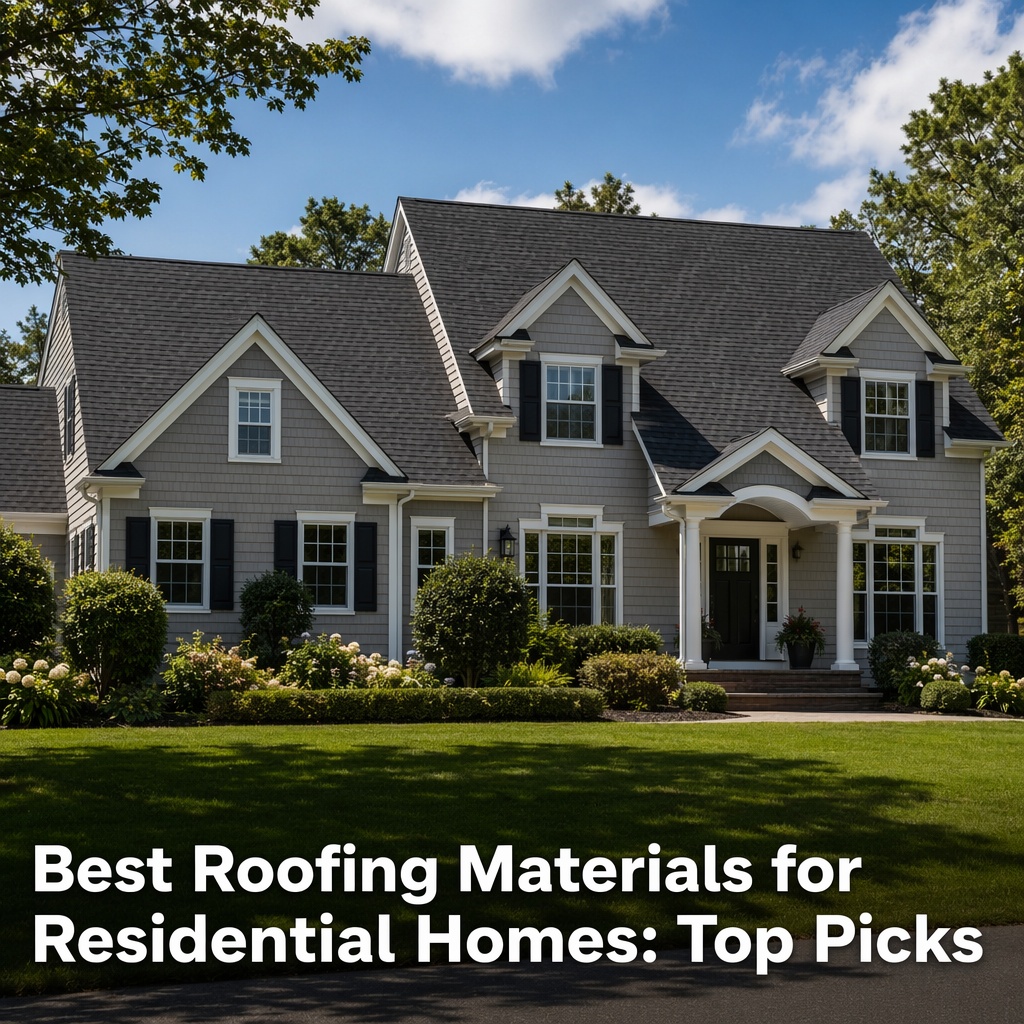
Choosing the right roofing material is one of the most consequential decisions a homeowner can make. Your roof protects everything beneath it — your family, your belongings, your structural investment — and the material you select will determine how well it does that job for decades. With so many options available, from budget-friendly asphalt shingles to premium slate roofing, the choices can feel overwhelming.
The good news is that there is a genuinely right answer for most homes, and it comes down to matching material to your specific situation. Roof durability, roofing cost, local climate, and your long-term plans all factor into the equation. Understanding how each material performs in the real world makes the decision far more manageable.
This guide walks through every major residential roofing material, compares costs and performance honestly, and gives you the practical knowledge to have a confident conversation with any roofing contractor. No filler, no vague advice — just clear information to help you make the best call for your home.
Key Factors in Choosing the Best Roofing Material
Before comparing specific materials, it helps to understand the criteria that separate a smart roofing choice from a regrettable one. Every homeowner’s situation is different, and the best material for a coastal home in Florida is not the same as the best choice for a mountain cabin in Colorado.
Climate, Location, and Weather Resistance
Weather resistance is the single most important performance factor for any roofing material. A roof that looks beautiful but fails under local weather conditions is a liability, not an asset.
High-wind zones require materials rated for impact and uplift resistance. Metal roofing and architectural shingles perform well here. Areas with heavy snowfall need roofs that handle weight load and freeze-thaw cycles without cracking or leaking.
Hot, sunny climates benefit from materials with high solar reflectance, which reduces heat absorption and lowers cooling costs. Clay tiles and metal roofing both excel in these environments. Coastal areas need corrosion-resistant options, making certain metal roofing grades and concrete tiles strong candidates.
Budget, Longevity, and Total Cost of Ownership
Upfront roofing cost is only part of the financial picture. A cheaper material that needs replacement in fifteen years may cost more over time than a premium option with a fifty-year roof lifespan.
If you want a detailed breakdown of what homeowners actually spend on a new roof, the guide on new roof pricing and what drives those numbers is a useful starting point before you request contractor quotes.
Total cost of ownership includes installation, routine roof maintenance, repairs, and eventual roof replacement. Slate roofing has a high upfront cost but rarely needs replacement within a homeowner’s lifetime. Asphalt shingles cost less initially but require more frequent replacement cycles.
Aesthetics, Curb Appeal, and Home Style Compatibility
Roofing material affects home value more than most homeowners realize. A roof that clashes with your home’s architectural style can reduce curb appeal and make resale harder.
Colonial and craftsman homes pair naturally with wood shingles or architectural shingles. Mediterranean-style homes are almost always designed around clay tiles or concrete tiles. Modern and contemporary homes often look best with standing seam metal roofing or flat roofing systems.
Color, texture, and profile all matter. Most manufacturers offer extensive color ranges, so you have flexibility even within a single material category.
Energy Efficiency and Environmental Impact
Energy efficiency has become a major factor in roofing decisions. Roof insulation quality, ventilation design, and the material’s solar reflectance index all affect your monthly energy bills.
Metal roofing with reflective coatings can significantly reduce cooling loads in warm climates. Green roofing systems, which incorporate vegetation layers, provide insulation and stormwater management benefits. Solar roofing integrates photovoltaic cells directly into the roof surface, turning your roof into an energy asset.
| Material | Avg. Lifespan | Energy Efficiency | Relative Cost | Maintenance Level |
|---|---|---|---|---|
| Asphalt Shingles | 20–30 years | Moderate | Low | Low–Moderate |
| Metal Roofing | 40–70 years | High | Moderate–High | Low |
| Clay Tiles | 50–100 years | High | High | Low–Moderate |
| Slate Roofing | 75–150 years | Moderate | Very High | Low |
| Wood Shingles | 20–30 years | Moderate | Moderate | High |
| Synthetic Roofing | 30–50 years | Moderate–High | Moderate | Low |
Top Roofing Materials for Residential Homes
Each major roofing material has a distinct performance profile. Understanding where each one excels — and where it falls short — helps you narrow the field quickly.
Asphalt Shingles: Affordable, Versatile, and Widely Used
Asphalt shingles dominate the residential roofing market for good reason. They are affordable, easy to install, widely available, and compatible with most home styles. Most roofing contractors have deep experience with them, which keeps installation costs competitive.
There are two main types: three-tab shingles, which are thinner and less expensive, and architectural shingles, which are thicker, more durable, and better-looking. Architectural shingles are the better investment for most homeowners, offering improved weather resistance and a longer roof lifespan without a dramatic price increase.
The main limitation of asphalt shingles is longevity. Even premium architectural shingles typically last twenty-five to thirty years, which means most homeowners will face at least one roof replacement during their time in a home. They also perform poorly in extreme heat over time, which can accelerate granule loss and shorten their effective lifespan.
Metal Roofing: Durability, Energy Savings, and Low Maintenance
Metal roofing has moved well beyond industrial applications and is now a popular residential choice. Steel, aluminum, copper, and zinc are all used, with steel being the most common for residential roof installation due to its balance of cost and performance.
Standing seam metal roofing offers exceptional weather resistance, handles high winds and heavy snow loads effectively, and reflects solar heat to reduce cooling costs. Its roof lifespan of forty to seventy years means most homeowners will never need to replace it again after installation.
Roof maintenance for metal is minimal. There are no shingles to crack or curl, and properly installed metal roofing resists moss, algae, and rot. The higher upfront roofing cost is offset by lower lifetime maintenance expenses and energy savings.
Clay and Concrete Tiles: Premium Look and High Weather Resistance
Clay tiles are one of the oldest roofing materials in use, and their longevity speaks for itself. Properly installed clay tiles can last fifty to one hundred years with minimal roof maintenance. They are fire-resistant, pest-resistant, and handle heat exceptionally well, making them a top choice in hot, dry climates.
Concrete tiles offer a similar aesthetic at a lower price point. They are heavier than clay tiles but still durable and weather-resistant. Both clay and concrete tiles require a structurally reinforced roof deck due to their weight, which adds to roof installation costs.
The visual impact of tile roofing is hard to match. For Mediterranean, Spanish, or Southwestern-style homes, clay or concrete tiles are often the only material that looks architecturally correct.
Slate Roofing: Luxury Appearance and Exceptional Lifespan
Slate roofing is the premium tier of residential roofing. Natural slate is quarried stone, and its roof lifespan can exceed one hundred years when properly installed and maintained. It is fireproof, waterproof, and resistant to freeze-thaw damage, making it one of the most durable materials available.
The challenges are weight and cost. Slate is extremely heavy, requiring significant structural reinforcement. Roof installation requires specialized contractors with slate experience, and finding qualified professionals can be difficult in some regions. Roofing cost for slate is among the highest of any material.
For homeowners planning to stay in a home long-term or who are restoring a historic property, slate roofing is a legitimate investment. Its combination of beauty and durability is unmatched.
Wood Shakes and Shingles: Natural Style and Niche Applications
Wood shingles and wood shakes offer a natural, rustic aesthetic that many homeowners find appealing. Cedar is the most common species used, valued for its natural oils that resist moisture and insects. Wood roofing pairs well with craftsman, cottage, and traditional home styles.
The practical challenges are significant. Wood roofing requires consistent roof maintenance — cleaning, treating, and inspecting — to prevent moss, mold, and rot. In fire-prone areas, wood shingles may be restricted or prohibited by local building codes. Their roof lifespan of twenty to thirty years is comparable to standard asphalt shingles but at a higher cost.
Wood shakes and shingles occupy a niche role today. They are best suited for homeowners who prioritize aesthetics and are committed to the maintenance they require.
Pricing, Benefits, and Real-World User Experience
Understanding how roofing materials perform in practice — not just on paper — helps set realistic expectations before you commit to a roof replacement.
Cost Ranges and Installation Considerations
Roofing cost varies significantly by material, region, roof complexity, and contractor. Asphalt shingles are the most affordable, with installed costs typically ranging from three to six dollars per square foot. Metal roofing runs from seven to fifteen dollars per square foot installed, depending on the metal type and profile.
Clay and concrete tiles range from ten to twenty dollars per square foot installed, with slate roofing reaching fifteen to thirty dollars or more. These figures are general ranges — actual quotes will vary based on your specific roof and local labor market.
If you are weighing whether a full roof replacement makes financial sense versus targeted repairs, reviewing the comparison of roof replacement versus repair costs can help clarify which path saves more money over time.
Roof installation complexity also affects cost. Steep pitches, multiple valleys, skylights, and chimneys all add labor time and material waste, increasing the final price regardless of which material you choose.
Performance, Maintenance Needs, and Warranty Coverage
Roof warranty coverage varies widely. Asphalt shingle manufacturers typically offer limited lifetime warranties on architectural shingles, though the actual coverage terms often diminish after the first decade. Metal roofing warranties commonly cover forty to fifty years for finish and structural integrity.
Roof maintenance requirements differ dramatically by material. Metal roofing and slate require very little ongoing attention beyond periodic roof inspection. Wood shingles need annual cleaning and treatment. Clay and concrete tiles are low-maintenance but individual cracked tiles need prompt replacement to prevent water infiltration.
A professional roof inspection every few years catches minor issues before they become expensive problems, regardless of which material covers your home.
Noise, Comfort, and Everyday Living Under Different Roof Types
Metal roofing has a reputation for being noisy during rain, but this is largely a myth for properly installed residential systems. When installed over solid sheathing with adequate roof insulation, metal roofing is no louder than asphalt shingles during rainfall.
Clay and concrete tiles create natural air gaps that improve ventilation and reduce heat transfer into the attic. This passive roof ventilation benefit helps keep upper floors cooler in summer. Slate roofing provides excellent thermal mass, moderating temperature swings inside the home.
Asphalt shingles are acoustically neutral and comfortable in most climates. Their main comfort limitation is heat absorption in very hot climates, which can increase attic temperatures and raise cooling costs without adequate roof insulation and ventilation.
Best Alternatives and Buying Advice
Beyond the traditional materials, several newer options deserve serious consideration. And regardless of which material you choose, how you buy matters as much as what you buy.
Emerging Alternatives: Synthetic, Stone-Coated Steel, and Solar Options
Synthetic roofing materials have improved dramatically in quality and appearance. Synthetic slate and synthetic wood shakes replicate the look of natural materials at a fraction of the weight and cost. They offer good roof durability, are impact-resistant, and require minimal roof maintenance.
Stone-coated steel combines the durability of metal roofing with a textured surface that mimics tile or shingle profiles. It handles extreme weather well and carries strong roof warranty coverage. It is an excellent middle-ground option for homeowners who want metal performance without the industrial aesthetic.
Solar roofing integrates photovoltaic technology directly into roofing materials, eliminating the need for rack-mounted panels. While roofing cost is higher than conventional materials, the energy generation offsets utility bills over time. Solar roofing works best in high-sun regions and for homeowners planning long-term occupancy.
How to Match Roofing Material to Your Specific Home and Plans
The right material depends on your home’s structure, your climate, your budget, and how long you plan to stay. A home with an older roof deck may not support the weight of clay tiles or slate without reinforcement, which changes the cost equation significantly.
Consider your timeline honestly. If you plan to sell within five to ten years, a premium material like slate roofing may not deliver a return on investment. Asphalt shingles or a quality metal roofing option may be more financially sensible. If you are staying long-term, investing in a fifty-plus-year material makes strong financial sense.
- Check local building codes for material restrictions, especially in fire-prone or HOA-governed areas
- Confirm your roof structure can support heavier materials before requesting tile or slate quotes
- Factor in your local climate’s dominant weather challenges when prioritizing weather resistance
- Align material choice with your home’s architectural style for maximum curb appeal and home value
- Request energy efficiency data from manufacturers if reducing utility costs is a priority
Questions to Ask Roofers and Red Flags to Avoid
A qualified roofing contractor will welcome detailed questions. Anyone who deflects or rushes you through the process is a red flag worth heeding.
- Ask for proof of licensing, insurance, and manufacturer certification for the material you are considering
- Request a written, itemized estimate that separates material costs from labor costs
- Ask how they handle roof ventilation and whether the existing system will be evaluated
- Confirm what roof warranty coverage applies — both manufacturer and workmanship warranties
- Ask for references from recent jobs using the same material on similar homes
Red flags include door-to-door solicitation after storms, demands for large upfront cash payments, vague contracts without material specifications, and pressure to sign immediately. A reputable roofing contractor will give you time to review the proposal and compare quotes.
Conclusion
Selecting the right roofing material is a long-term decision that affects your home’s protection, energy efficiency, curb appeal, and resale value. Asphalt shingles remain the practical choice for most homeowners due to their low cost and wide availability. Metal roofing offers the best combination of durability, energy savings, and low maintenance for those willing to invest more upfront. Clay tiles, slate roofing, and synthetic alternatives each serve specific needs and home styles exceptionally well.
The key is matching material to your actual situation — your climate, your budget, your home’s structure, and your plans. Armed with the right information and a qualified roofing contractor, you can make a confident decision that protects your home for decades.
FAQ
What is the best all-around roofing material for most residential homes?
Architectural asphalt shingles are the best all-around choice for most homeowners. They offer a solid balance of roofing cost, roof durability, weather resistance, and ease of roof installation. They work well across most climates, suit a wide range of home styles, and are supported by virtually every roofing contractor. For homeowners wanting longer roof lifespan and lower lifetime maintenance, metal roofing is the next best option and worth the higher upfront investment.
Which roofing material lasts the longest and is it worth the higher upfront cost?
Slate roofing has the longest roof lifespan of any residential material, often lasting seventy-five to one hundred fifty years. For homeowners with a long-term ownership horizon and a structurally capable home, slate is worth the premium. Clay tiles are a close second in longevity and more widely available. The higher roofing cost of these materials is offset by the fact that you may never need another roof replacement, eliminating future installation costs entirely.
How do I decide between asphalt shingles and metal roofing for my home?
The decision comes down to budget, timeline, and climate. If upfront roofing cost is the primary concern and you expect to sell within ten to fifteen years, architectural asphalt shingles are the practical choice. If you plan to stay long-term, live in a high-wind or high-heat climate, or want to minimize roof maintenance over time, metal roofing delivers better value across the ownership period. Get quotes for both, compare total cost of ownership rather than just installation price, and factor in your local weather conditions before deciding.
Looking for a Roofer in South Jersey?
We connect homeowners across Atlantic County with licensed, insured local roofers for a free, no-obligation inspection.
Request a Free Inspection