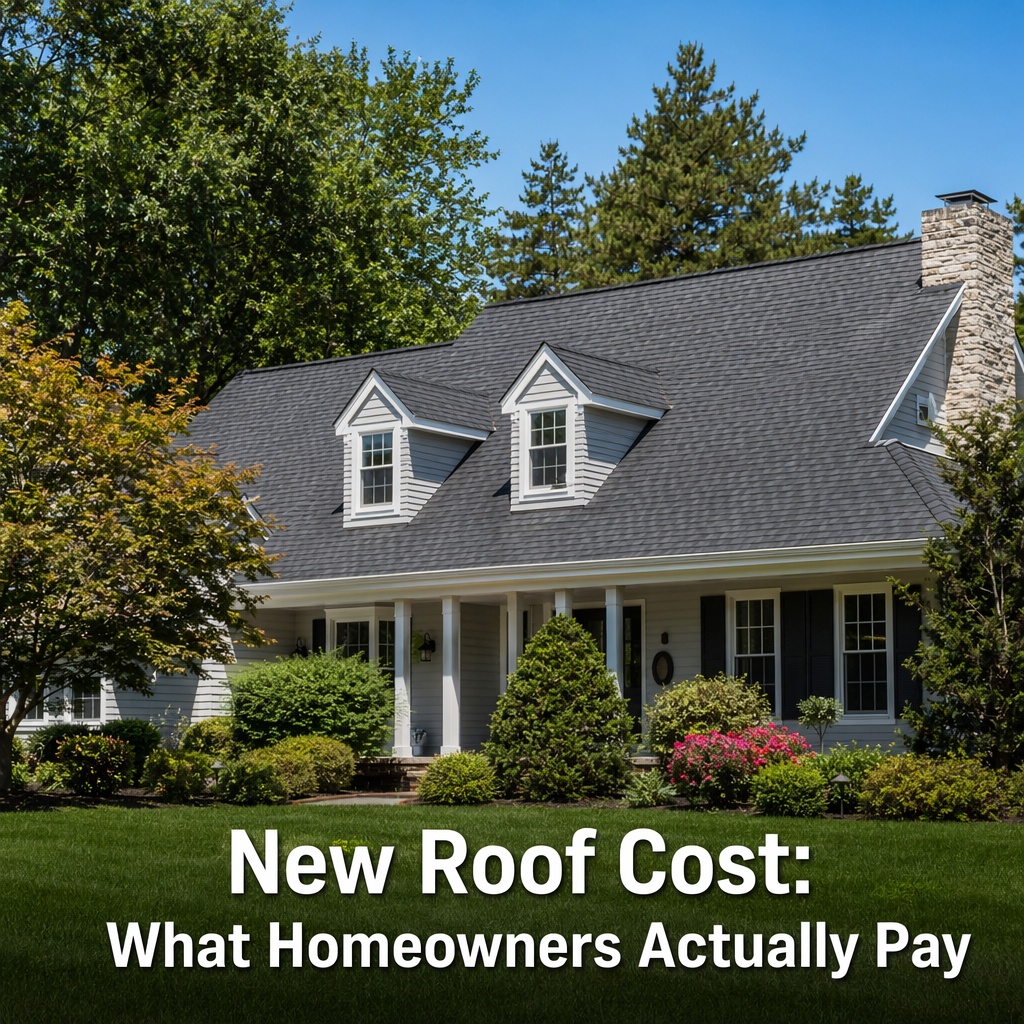
Replacing a roof is one of the largest home improvement expenses most people will ever face. The price tag can feel overwhelming before you even get a single quote, and the wide range of numbers you find online does not make things easier. Understanding what actually drives the cost puts you in a much stronger position to budget, negotiate, and make smart decisions.
Most homeowners are surprised to learn how much variation exists in roofing prices, even within the same neighborhood. A roof replacement on a modest ranch home looks nothing like the job on a steep, multi-gabled colonial. Material choices, contractor experience, local labor markets, and the condition of your existing roof all play a role in the final number.
This guide breaks down what you can realistically expect to pay, what factors push costs up or down, and how to approach the process without overspending or sacrificing quality. The goal is to give you a clear, honest picture so you can walk into contractor conversations with confidence.
Average Cost of a New Roof
Roof replacement costs vary widely, but most homeowners spend somewhere between $5,500 and $25,000 for a full job. The middle of that range, roughly $8,000 to $15,000, covers the majority of standard residential projects using asphalt shingles on a typical single-story home. Larger homes, premium materials, or complex roof designs push costs toward the higher end.
Typical price ranges by roof size
Roof size is measured in “squares,” where one square equals 100 square feet of roof surface. Cost per square foot is one of the most useful benchmarks when comparing quotes or estimating your own budget.
| Home Size (sq ft) | Estimated Roof Area | Asphalt Shingle Cost | Metal Roofing Cost |
|---|---|---|---|
| 1,000 sq ft | 11–13 squares | $4,500–$7,000 | $9,000–$16,000 |
| 1,500 sq ft | 16–18 squares | $6,500–$10,000 | $13,000–$22,000 |
| 2,000 sq ft | 20–24 squares | $8,500–$14,000 | $17,000–$30,000 |
| 2,500 sq ft | 25–30 squares | $11,000–$18,000 | $22,000–$38,000 |
| 3,000 sq ft | 30–36 squares | $13,000–$22,000 | $26,000–$45,000 |
These figures include materials and labor but may not account for tear-off, disposal, or structural repairs. Always treat them as starting estimates rather than firm quotes.
National averages versus local variation
Geographic location has a significant impact on what you pay. Labor costs in major metropolitan areas run considerably higher than in rural regions. Material delivery fees, local permit requirements, and regional demand for roofing contractors all shift the final number.
A homeowner in a high-cost urban market might pay 30 to 50 percent more than someone in a lower-cost region for the exact same job. Homeowners insurance claims and storm-related demand can also temporarily spike prices in areas recovering from severe weather events.
Always get local roofing estimates rather than relying solely on national averages. Online calculators are useful for ballpark figures, but a roofing contractor who knows your market will give you a far more accurate number.
What Drives Roof Replacement Pricing
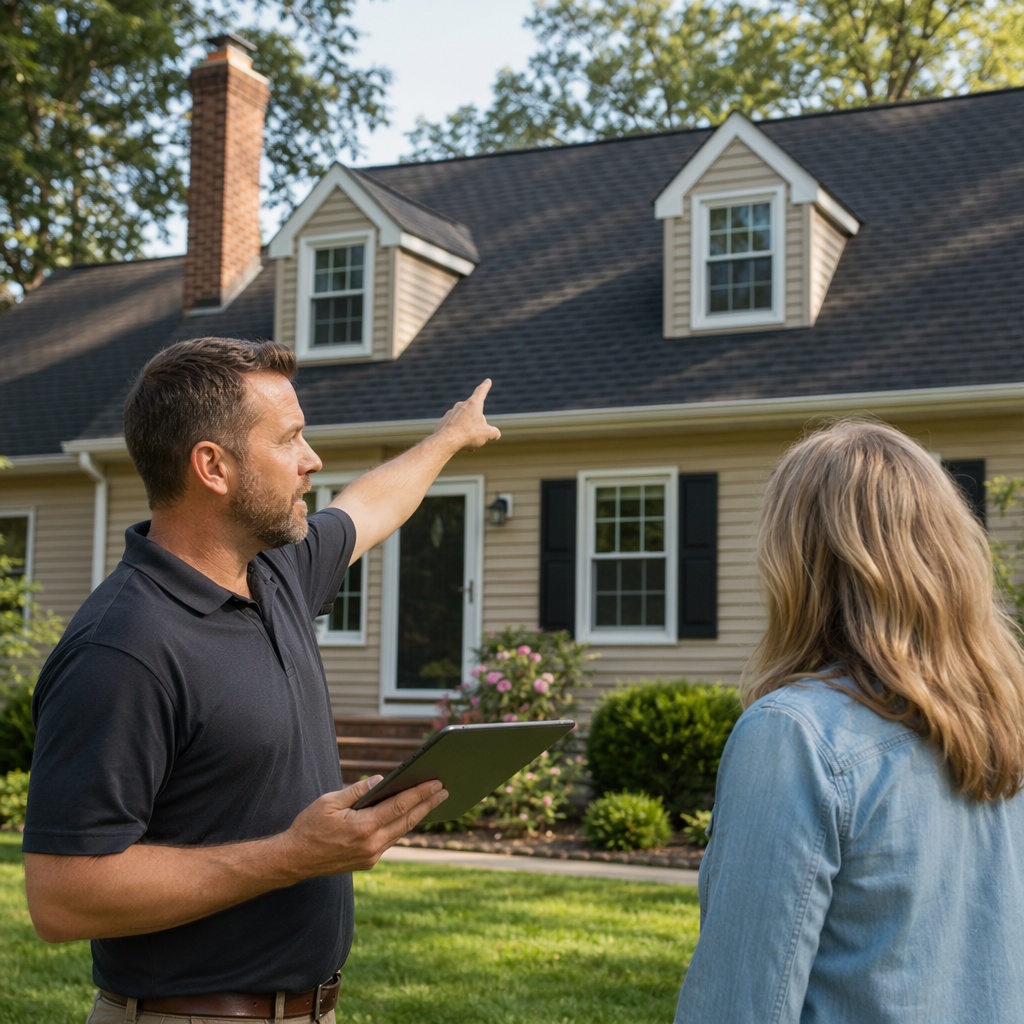
Several interconnected factors determine what your specific roof replacement will cost. Breaking them down individually helps you understand where your money goes and where there might be room to adjust.
Roofing material choices
The material you choose is often the single biggest variable in your roofing estimate. Asphalt shingles remain the most popular and affordable option for most homeowners, typically costing between $3.50 and $5.50 per square foot installed. They offer a solid balance of durability, appearance, and value.
Metal roofing costs significantly more upfront, usually $7 to $14 per square foot installed, but it lasts two to three times longer than asphalt. Tile roofing, including clay and concrete options, falls in a similar premium range and adds considerable weight that some homes require structural reinforcement to support. Wood shingles offer a natural aesthetic but demand more maintenance and carry higher fire risk in certain climates.
- Asphalt shingles: most affordable, widely available, 20–30 year lifespan
- Metal roofing: higher upfront cost, exceptional longevity, energy efficiency benefits
- Tile roofing: premium look, very durable, heavy and expensive to install
- Wood shingles: attractive appearance, requires regular maintenance
- Flat roof systems: common on commercial and some residential properties, different installation methods
Each material also requires specific underlayment and flashing products, which add to the overall cost. Skimping on these components to save money often leads to premature failures and expensive repairs.
Roof size, pitch, and complexity
Roof size is obvious, but pitch and complexity are factors many homeowners overlook when budgeting. Roof pitch refers to the steepness of the slope. A steeply pitched roof requires more safety equipment, slower work, and more physical effort from the crew, all of which increase labor costs.
A low-slope or flat roof is generally easier and faster to work on, while a steep or complex roof with multiple valleys, dormers, and angles can cost 25 to 50 percent more in labor alone. Every additional valley, chimney, skylight, or architectural feature adds time and material to the job.
Ventilation is another complexity factor. Proper attic ventilation extends the life of your new roof and is often required by building codes. If your existing ventilation is inadequate, your contractor may recommend upgrades during the replacement, adding to the total cost.
Labor, tear-off, and disposal costs
Labor costs typically represent 40 to 60 percent of a total roofing estimate. Experienced roofing contractors charge more, but they also work more efficiently and are less likely to make costly mistakes. Cutting corners on labor is one of the most common sources of roofing problems down the road.
Tear-off and disposal are often underestimated line items. Removing your old roof, hauling away the debris, and disposing of it properly adds $1 to $2 per square foot to most jobs. If you have multiple layers of old shingles, costs increase further because each layer must be removed before new materials go down.
Permits and fees are another real cost. Most municipalities require a permit for roof replacement, and fees vary by location. Your roofing contractor should pull the permit on your behalf, and you should be cautious of any contractor who suggests skipping this step.
How to Estimate Your Own Roof Budget
Getting a rough estimate before you call contractors helps you evaluate quotes more critically and avoid being caught off guard by the numbers.
Measure roof area and compare per-square-foot pricing
You can estimate your roof area by measuring the footprint of your home and applying a multiplier based on your roof pitch. A simple gable roof on a 2,000 square foot home might have a roof surface of around 2,200 to 2,400 square feet once pitch is factored in. More complex roofs with multiple slopes will have a larger surface area relative to the home’s footprint.
Once you have a rough square footage, multiply by the cost per square foot for your preferred material. Add 10 to 15 percent for waste, cuts, and overlap. Then add estimated labor costs, which your contractor will specify in their roofing estimate.
- Measure your home’s footprint length and width
- Multiply by a pitch factor (1.0 for flat, up to 1.4 or higher for steep roofs)
- Add 10–15 percent for material waste
- Multiply by material cost per square foot
- Add labor, tear-off, disposal, and permit costs
This process gives you a working budget range before any contractor sets foot on your property. It also makes it easier to spot quotes that seem unusually high or suspiciously low.
Identify hidden costs and upgrades
Roof decking damage is one of the most common hidden costs in a replacement project. If your contractor discovers rotted or damaged decking during tear-off, it must be repaired before new materials go down. Budget an additional $2 to $4 per square foot for potential decking repairs.
Gutters, flashing, and chimney work are often separate line items that homeowners forget to include in their initial budget. If your gutters are old or damaged, replacing them at the same time as your roof is often more cost-effective than doing it separately. Flashing around chimneys, skylights, and vents must be properly installed to prevent leaks, and this work adds to the total.
A roof inspection before you commit to a full replacement can also reveal whether repair is a viable option. In some cases, targeted roof repair extends the life of your existing roof by several years at a fraction of the replacement cost.
Ways to Save Without Cutting Quality
Saving money on a roof replacement does not mean choosing the cheapest contractor or the lowest-grade materials. It means being strategic about how and when you spend.
Compare multiple contractor quotes
Getting at least three quotes from licensed roofing contractors is the single most effective way to ensure you are paying a fair price. Quotes can vary by thousands of dollars for the same scope of work, and comparing them helps you understand what is and is not included.
When reviewing quotes, look beyond the bottom line. Check that each quote specifies the same materials, the same number of layers being removed, and whether permits and disposal are included. A lower quote that excludes these items may end up costing more than a higher quote that covers everything.
Ask each roofing contractor about their experience with your specific material type, their crew size, and their timeline. A contractor who is vague about these details may not be the right fit regardless of price.
Choose materials and timing strategically
Asphalt shingles offer the best value for most homeowners who plan to stay in their home for 15 to 20 years. If you are planning to sell soon, a mid-grade asphalt shingle replacement is usually sufficient to satisfy buyers and home inspectors without overspending on premium materials.
Scheduling your roof replacement during slower seasons for roofing contractors can sometimes result in better pricing or faster scheduling. Late fall and winter tend to be slower in many regions, and some contractors offer modest discounts to keep their crews working.
Energy efficiency is worth considering when selecting materials. Certain metal roofing products and reflective asphalt shingles can reduce cooling costs, which partially offsets their higher upfront price over time.
Look for warranties and long-term value
A roof warranty is not just a marketing tool. It is a meaningful financial protection that can save you thousands if problems arise. Most asphalt shingle manufacturers offer product warranties ranging from 25 years to lifetime coverage, but the terms vary significantly.
- Manufacturer warranties cover defects in the roofing materials themselves
- Workmanship warranties from your contractor cover installation errors
- Extended warranties may require certified contractor installation
- Read the fine print on transferability if you plan to sell your home
Homeowners insurance may cover roof replacement if damage results from a covered event like a storm or hail. Review your policy before paying out of pocket, and ask your contractor whether they have experience working with insurance claims.
Conclusion
Roof replacement is a significant investment, but it is also one that protects everything inside your home. Understanding the cost drivers, knowing how to estimate your own budget, and approaching contractor conversations with clear expectations makes the entire process less stressful and more financially manageable. The best outcome is a quality roof installed by a skilled contractor at a fair price, and that outcome is absolutely achievable with the right preparation.
FAQ
How much does a new roof cost on average?
Most homeowners pay between $8,000 and $15,000 for a standard asphalt shingle roof replacement on a typical single-family home. Larger homes, steeper pitches, premium materials, or significant structural repairs can push costs well above that range.
What roof material is the most affordable?
Asphalt shingles are consistently the most affordable roofing material for residential homes. They offer a reasonable lifespan, wide availability, and lower installation costs compared to metal roofing, tile roofing, or wood shingles.
What extra costs can increase a roof replacement estimate?
Several factors can add to your final bill beyond the base material and labor costs. Damaged roof decking, multiple layers of old shingles requiring tear-off, new flashing installation, gutter replacement, ventilation upgrades, and permit fees are all common additions that homeowners should budget for in advance.
Looking for a Roofer in South Jersey?
We connect homeowners across Atlantic County with licensed, insured local roofers for a free, no-obligation inspection.
Request a Free Inspection